08.01.2026
China’s Auto Industry 2025: Leaders, Growth, and Risks
China’s Automotive Industry in 2025: Global Results, Triumphs, and Hidden Threats
The end of 2025 delivered the long-awaited sales figures of China’s largest automotive groups. This year became a clear indicator of how successfully traditional manufacturers are handling digital transformation - and how resilient the ambitions of new technology-driven players truly are.
Market Leaders: Who Is Really in Control?
Despite intense competition, the top of the ranking remains dominated by established players. However, not all of them managed to meet their original targets.
BYD - the undisputed leader:
BYD confirmed its dominant position by selling 4,602,436 vehicles. Although the ambitious target of 5.5 million units was achieved only at 83.68%, the gap between BYD and its closest competitors remains significant.
Geely - the master of planning:
Geely stands out as one of the few manufacturers that not only met but exceeded its sales target by 10.82%. With 3,024,567 vehicles sold, the company demonstrates one of the most stable and well-balanced growth strategies in the industry.
Chery - steady and consistent growth:
Chery closes the top three with 2.63 million vehicles sold, reaching approximately 81% of its ambitious annual plan.
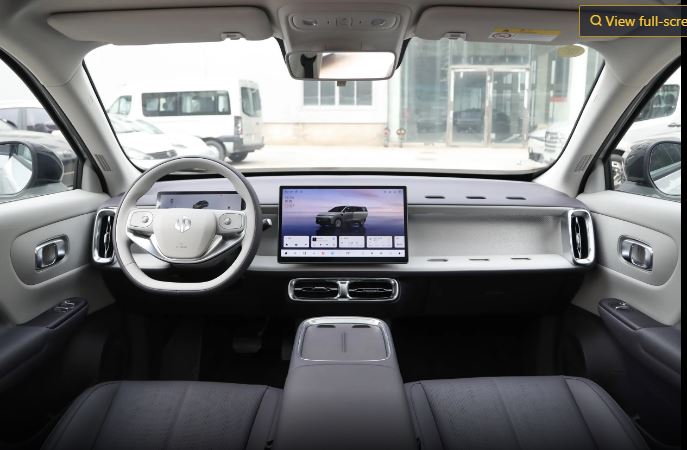
Breakthrough of the Year: Tech Companies Enter the Race
One of the key trends of 2025 was the rapid rise of brands that did not originate as traditional automakers but introduced a “consumer electronics” mindset into the automotive sector.
Xiaomi — a spectacular debut:
In its first full year of vehicle sales, Xiaomi delivered over 400,000 cars, exceeding its target by 14.29%. This result is exceptional for a newcomer and highlights the brand’s strong ecosystem-driven appeal.
Success of EV startups:
Electric-focused brands such as Xpeng and Leapmotor also showed impressive momentum, surpassing their sales targets by 23% and 19% respectively.
Crisis of Ambition: The Biggest Disappointments
Not all brands experienced success in 2025. Several manufacturers struggled with declining demand and unrealistic planning.
Great Wall Motor (GWM) — the year’s negative record:
GWM faced the deepest crisis among major players, achieving only 33.09% of its sales target. Out of a planned 4 million vehicles, just 1.32 million units were sold.
Challenges for HIMA and Li Auto:
These brands also underperformed, closing the year at 59% and 63% of their expected targets respectively.
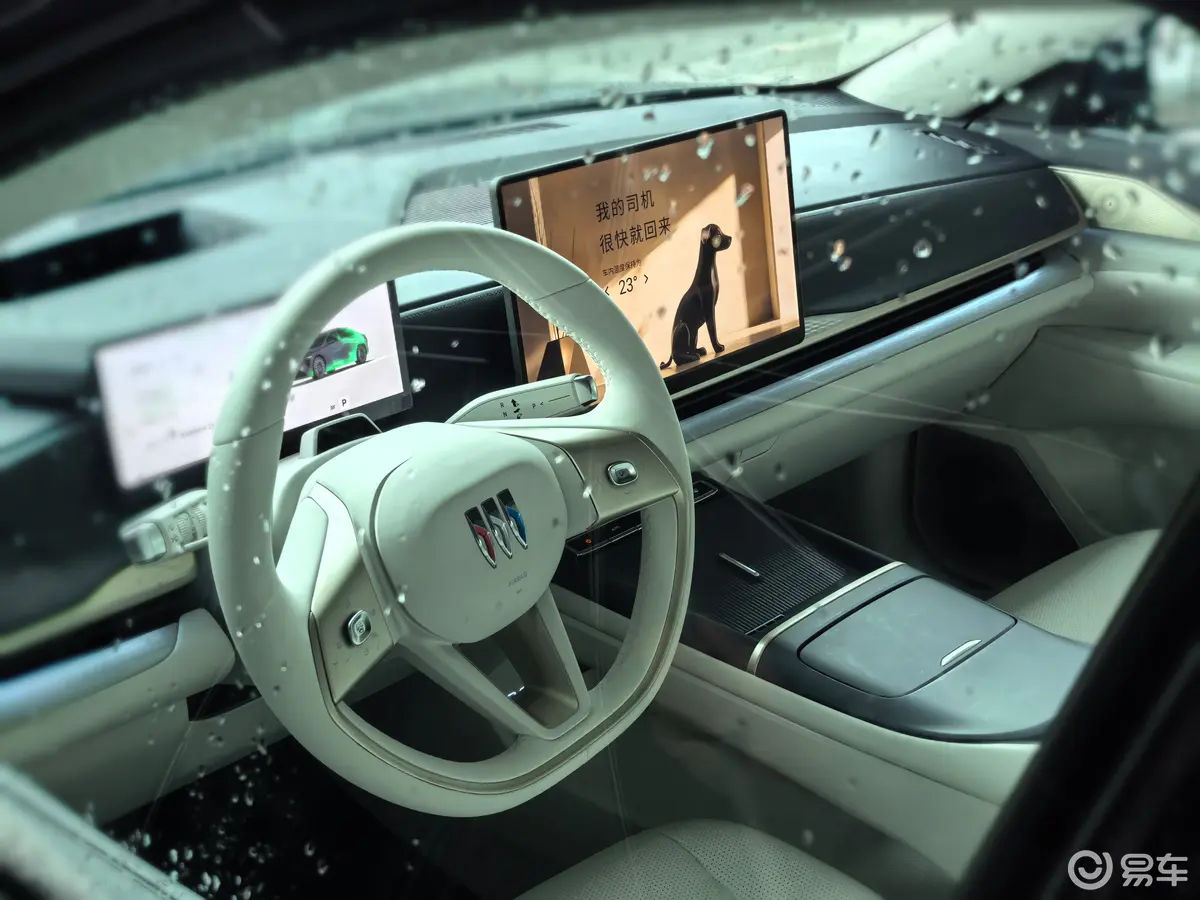
A Paradigm Shift: Internal Combustion vs. Electric
An analysis of sales structure reveals a critical insight: traditional manufacturers such as Geely, Chery, and GWM remain heavily dependent on internal combustion engine (ICE) vehicles.
However, the future clearly belongs to the NEV segment (New Energy Vehicles). In this context, GWM’s position appears even more concerning. Its NEV sales totaled only 403,653 units, trailing most competitors—surpassing only the premium brand NIO.
2025 Sales Summary
| Brand | Vehicles Sold | Target Achieved |
|---|---|---|
| BYD | 4,602,436 | 83.68% |
| Geely | 3,024,567 | 100.82% |
| Chery | 2,631,381 | 80.72% |
| GWM | 1,323,672 | 33.09% |
| Leapmotor | 596,555 | 119.31% |
| Xiaomi | 400,000+ | 114.29% |
Conclusion
China’s automotive market in 2025 clearly demonstrated one core principle: only those who adapt quickly survive. While brands like Xiaomi and Xpeng successfully attract younger, tech-savvy consumers, traditional giants such as GWM are being forced to rethink their strategies to avoid being left behind in the next phase of the industry’s evolution.