09.01.2026
How Much Does It Cost to Charge an EV in Bishkek?
How Much Does It Cost to Charge an Electric Car in Bishkek, and Are There Enough Charging Stations?
The number of electric vehicles in Kyrgyzstan continues to grow, and with it the pressure on charging infrastructure. Bishkek remains the main city where both electric cars and charging stations are concentrated. However, the availability of infrastructure and the cost of charging still raise questions among drivers.
How Many Charging Stations Operate in Bishkek?
According to market participants, more than 200 charging stations are currently operating in Bishkek. They are mainly located in the central parts of the city, near shopping malls, gas stations, car dealerships, and service centers.
At the same time, operators themselves cite higher figures. According to information published on the official website of the Charge24 network, more than 160 charging points are registered in their system alone. Experts explain the discrepancy by noting that not all stations are fully public: some are located on private property or have restricted access. In addition, companies use different counting methods—some count individual connectors, while others count an entire charging unit as a single station.
How Much Does Charging Cost?
There is no single unified tariff for charging electric vehicles in Bishkek. The cost depends on the charging station’s power and the operator.
According to Charge24, the average charging price is about 13.5 soms per 1 kWh. As a result, one full charge costs a driver approximately 550 soms, depending on battery capacity and the level of discharge.
ELKUB, on the other hand, offers a per-minute pricing system. Drivers who purchased their electric vehicles from this company receive discounted charging rates of 1 som per minute. For other users, the cost is 1.5 soms per minute at 7 kW stations and 4.5 soms per minute at 22 kW stations.
Other operators charge based on the amount of electricity consumed. On average, public charging in Bishkek costs 15–20 soms per 1 kWh, or up to 7 soms per minute under per-minute pricing models.
How Far Can You Drive on a Single Charge?
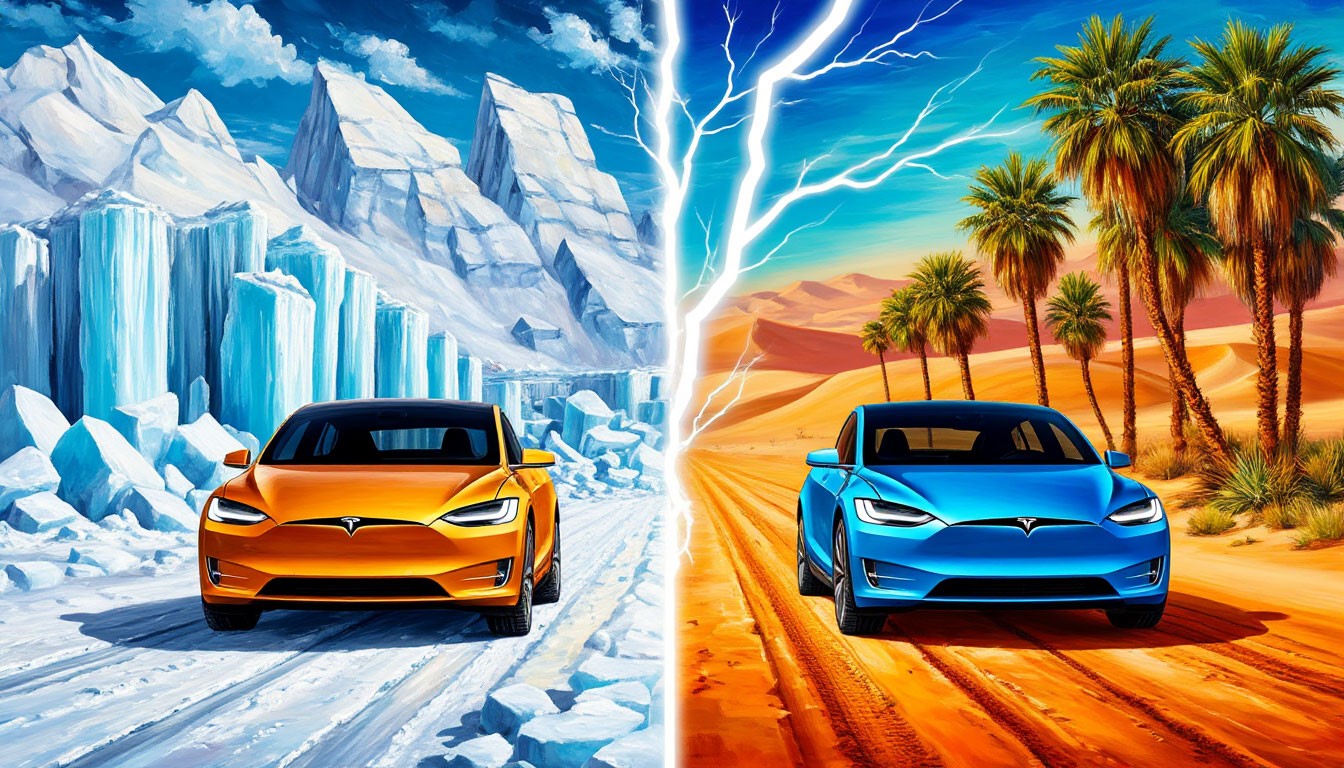
According to both operators and drivers, a single full charge is enough for about 200 kilometers in winter and up to 300–350 kilometers in summer.
The difference is explained by higher energy consumption during the cold season, when electricity is used to heat both the cabin and the battery.
Electric Vehicle vs. Diesel Car
Electric vehicle owners note a significant difference in operating costs compared to diesel cars. According to their calculations:
-
a diesel car costs on average about 8 soms per kilometer,
-
an electric car costs around 1 som per kilometer.
As a result, operating an electric vehicle is roughly seven times cheaper than driving on diesel fuel. Experts believe this factor remains one of the key incentives for switching to electric transport.
Home Charging Remains the Cheapest Option
Most electric vehicle owners prefer to charge their cars at home. In this case, the standard residential electricity tariff applies—about 3–5 soms per kWh—making home charging significantly cheaper than public stations.
For this reason, public charging stations are more often used as a backup option, such as during long trips or when there is no access to a home power supply.
The Market Is Growing, but Infrastructure Is Lagging Behind
Over the past two years, the number of charging stations in Kyrgyzstan has almost doubled. Most of this growth has been driven by private companies, car dealers, and businesses. However, experts point out that charging infrastructure in Bishkek is developing unevenly, while in the regions of the country it remains poorly represented.