27.01.2026
Volkswagen China 2026: From Santana to Digital Evolution
Volkswagen in China: From German Pragmatism to a Battle for Digital Survival
The history of Volkswagen in the Middle Kingdom is not just a chronicle of industrial success; it is an epic tale of how one company taught a vast nation to drive modern cars, only to find itself later in the position of a student. It all began in 1978, when China was just cracking its doors open to the Western world. At the time, Beijing was not merely looking for investment, but for a technological messiah capable of transforming an archaic fleet of trucks into a modern transport system. Volkswagen was the pioneer that took the risk to enter a market where private car ownership seemed like a fantasy.
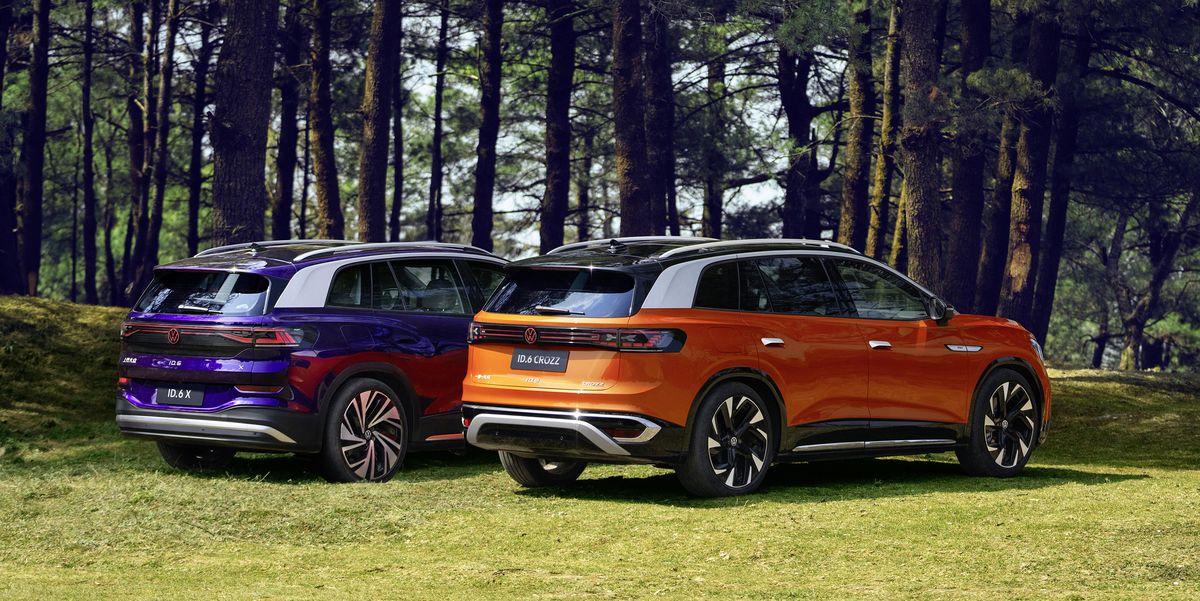
The symbol of this expansion was the legendary Santana. Assembled in test mode in 1983, it transformed into a national artifact. This sedan became the face of Chinese taxis, police forces, and government officials, creating the foundation for the giant SAIC Volkswagen. Later, by establishing a stronghold in the north through an alliance with FAW, the German concern created a unique duopoly that defined the rules of the game for decades. For years, the "Dual JV" strategy worked flawlessly: while FAW-Volkswagen forged a reputation for reliability through the indestructible Jetta, the Shanghai-based division dictated the fashion for comfort and status.
At the peak of its power, Volkswagen controlled a fifth of the entire Chinese market. German engineers created exclusive models, lengthening wheelbases and adapting suspensions to the tastes of local drivers. It seemed that this triumph would be eternal; however, the era of "New Energy" changed the rules irrevocably. By the 2020s, the landscape had shifted. Chinese technological giants and ambitious startups like BYD and Xiaomi offered consumers not just a means of transport, but a "smartphone on wheels."
By early 2026, Volkswagen in China is undergoing its most massive transformation. Having surrendered its sales crown to BYD in 2023, the brand has used the last two years as a "comeback" period. The German management has moved past the era of imposing European software on China, instead humbling itself to integrate local IT solutions. Strategic investments in XPeng and the establishment of a massive R&D hub in Hefei are clear admissions that the heart of automotive innovation now beats in China.
Volkswagen is no longer just a technology importer; it is evolving into a deeply localized player operating on the principle of "In China, for China." Its plants in the PRC now produce electric vehicles not only for domestic consumption but also for export, serving as a global hub for the rest of the world. This is a transparent transformation of a giant that realized in time: to remain a leader tomorrow, one must learn to change today—even if it means questioning decades of dogma.