19.01.2026
Electric Vehicles vs. Extreme Cold: Result of a −30°C Winter
Electric Vehicles vs. the Icy Inferno:
Results of the Largest Winter Test at -30°C
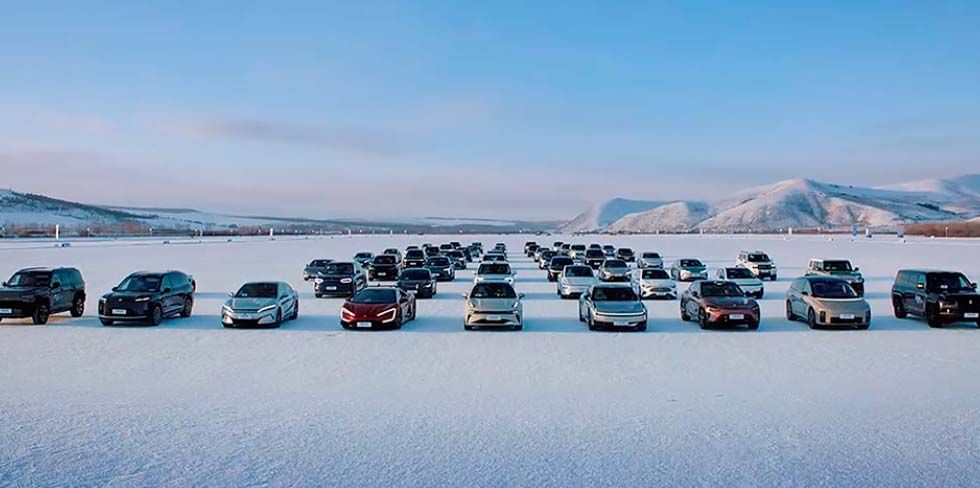
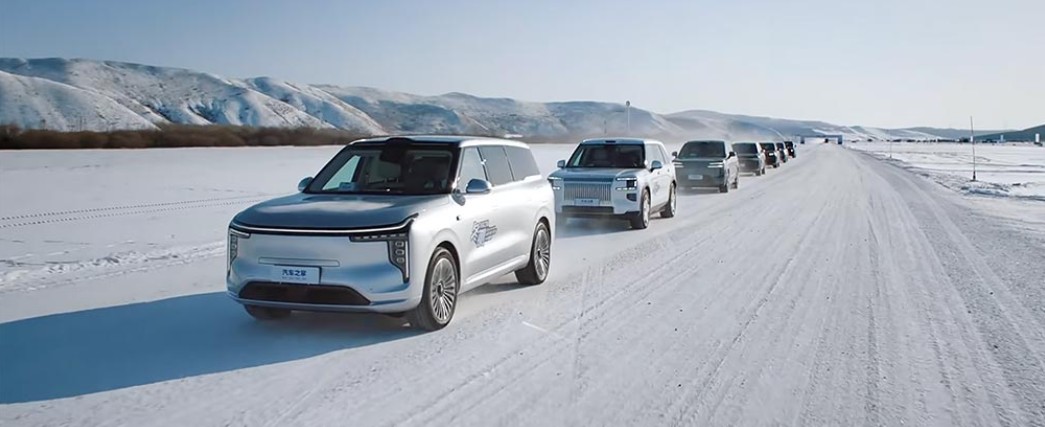
For a long time, winter was considered the main “enemy” of electric vehicles. Skeptics repeatedly pointed to frozen batteries, helpless electronics on ice, and massive losses in driving range. To assess how far technology has progressed by 2025, experts conducted an unprecedented test of 67 vehicles under the harsh conditions of Inner Mongolia, where temperatures dropped to an extreme −30°C.
The results force a fresh look at the real capabilities of modern new energy vehicles (NEVs).
Battery Endurance: New Leaders Emerge
The key winter question for any EV owner is simple: “How far will it go on a single charge?” The test was conducted under the harshest conditions - a high-speed loop on a snow-covered track with the heating system running continuously.
Traditional market leaders faced serious competition from new technology giants. Electric vehicles from Xiaomi and Huawei demonstrated not only impressive range (over 300 km in extreme cold), but also outstanding energy efficiency. Meanwhile, the popular Tesla Model Y delivered average results, retaining roughly one-third of its rated range.
This confirms a clear trend: new electrical architectures (800V and above) and advanced thermal management systems are allowing Chinese brands to pull ahead in winter performance.
Cabin Comfort: The Battle for Warmth
At −25°C, the ability to warm up quickly is not a matter of luxury, but of safety. The test revealed a dramatic gap between brands. The top performers - including sub-brands of BYD and Geely - were able to heat an ice-cold cabin to a comfortable +20°C in just 10-15 minutes.
Heat pump systems showed mixed results. Tesla still heats up extremely fast, but the precision of its climate control raised questions: the system often “overheats” the cabin, pushing temperatures up to +30°C without fine regulation. On the opposite end were some budget models that, even after 30 minutes of operation, barely reached above 0°C inside the cabin, making them questionable choices for northern regions.
Charging: The Challenge of Cold Adaptation
A cold battery resists high charging power. The study revealed that more than half of modern EVs are unable to utilize even 50% of fast-charging station capacity unless the battery is properly preconditioned.
Only a few models - mainly from Zeekr, Xiaomi, and BYD - demonstrated stable charging curves, maintaining high power throughout the session. Surprisingly, several Western brands and joint ventures performed poorly here: charging from 0 to 100% in freezing conditions could take over two hours, turning long-distance travel into a serious test of patience.
Safety on Slippery Surfaces
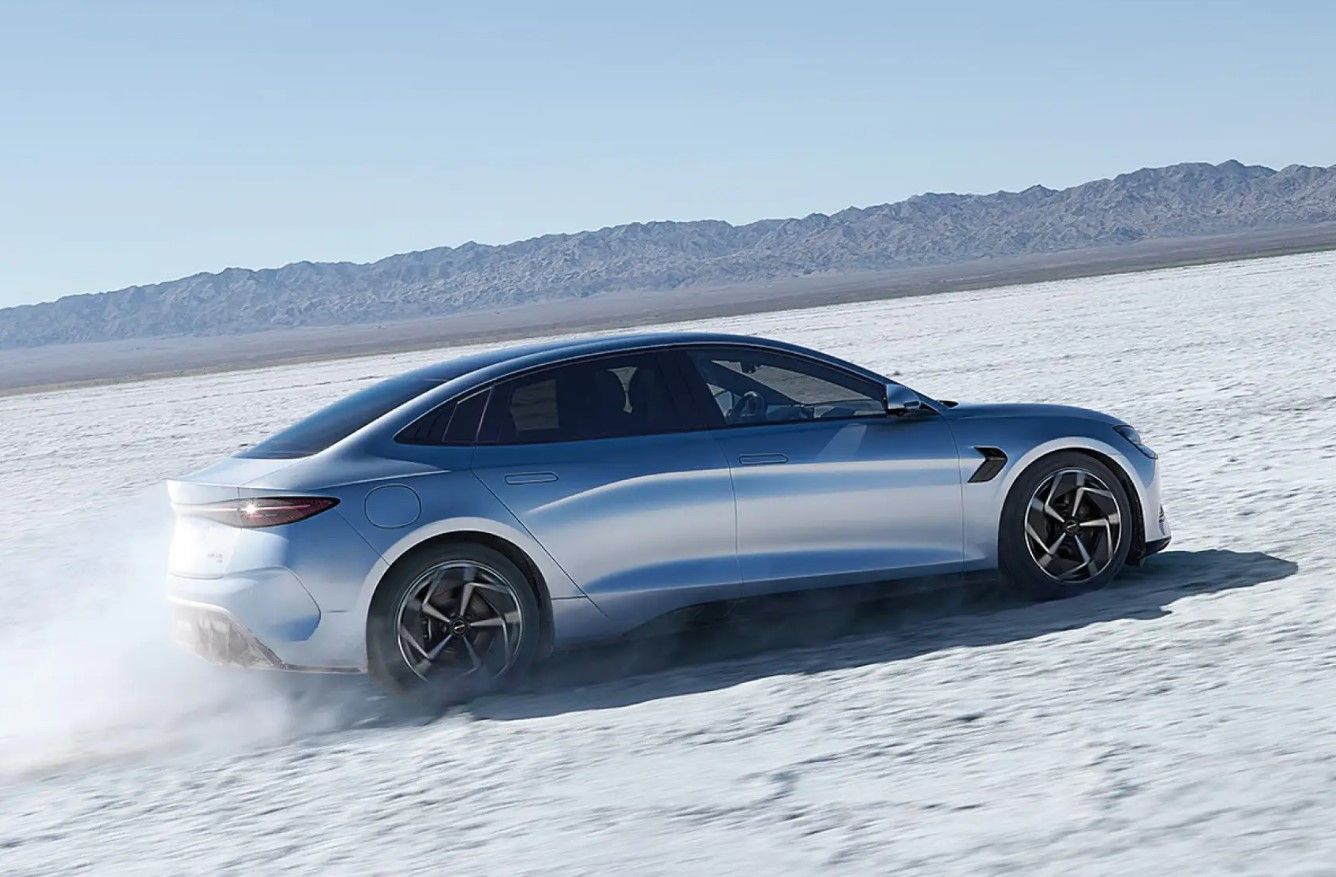
Braking and handling tests on snow debunked the myth that all-wheel drive is a cure-all. The decisive factor turned out to be the calibration of electronic systems (ABS and ESP).
Flagship SUVs from AITO and Geely achieved the shortest braking distances thanks to precise electronic control, while some competitors overshot by an additional 30-35 meters on the same surface.
Active Safety Systems: Seeing Through the Snow
Special attention was paid to active safety systems (AEB). In poor visibility and snowy conditions, most systems failed to detect obstacles in time. The exception was vehicles equipped with LiDAR sensors and Huawei’s intelligent systems, which identified hazards in advance and smoothly slowed the vehicle on slippery roads, preventing collisions.
Reliability: Are EVs Still “Fragile”?
The most positive outcome of the test was overall reliability. While just a few years ago extreme cold caused widespread failures - frozen displays, ruptured air suspension components, and malfunctioning control units - in 2025, serious issues were recorded in less than 10% of participants.
Minor inconveniences remain: frozen retractable door handles, climate control software glitches, or temporary air suspension sag. However, 90% of vehicles endured a full month of intensive cold testing without critical damage.
Conclusion
The large-scale 2025 test proves one thing clearly: the electric vehicle industry has matured. Chinese manufacturers are no longer merely “catching up” - they are setting the standards for low-temperature performance, outperforming even giants like Tesla in several key areas.
Today, winter EV ownership is no longer a heroic challenge but a practical reality - provided you choose a model with the right technology and a modern thermal management system.