10.02.2026
Global EV Market Analysis 2025-2029:A $2.9 Trillion Forecast
The $2.9 Trillion Shift: Redefining Global Mobility through 2029
While the automotive world once viewed electrification as a niche experiment, the period between 2025 and 2029 marks the definitive end of the Internal Combustion Engine's (ICE) century-long reign. Current market intelligence reveals a staggering trajectory: the global electric vehicle sector is poised to capture an additional $2,898.1 billion in value. With an unprecedented compound annual growth rate (CAGR) of 38.5%, the industry is no longer just growing - it is fundamentally rebuilding the global economy around sustainable energy.

Structural Evolution and the BEV Dominance
The narrative of this expansion is centered on Battery Electric Vehicles (BEVs), which now serve as the primary catalyst for the industry. Representing roughly 70% of the total EV stock, BEVs are successfully penetrating diverse market layers. From the democratization of the mass-market via models like the Nissan Leaf to the continued evolution of the luxury segment led by the Tesla Model S, the diversity of offerings is dismantling previous barriers to entry.
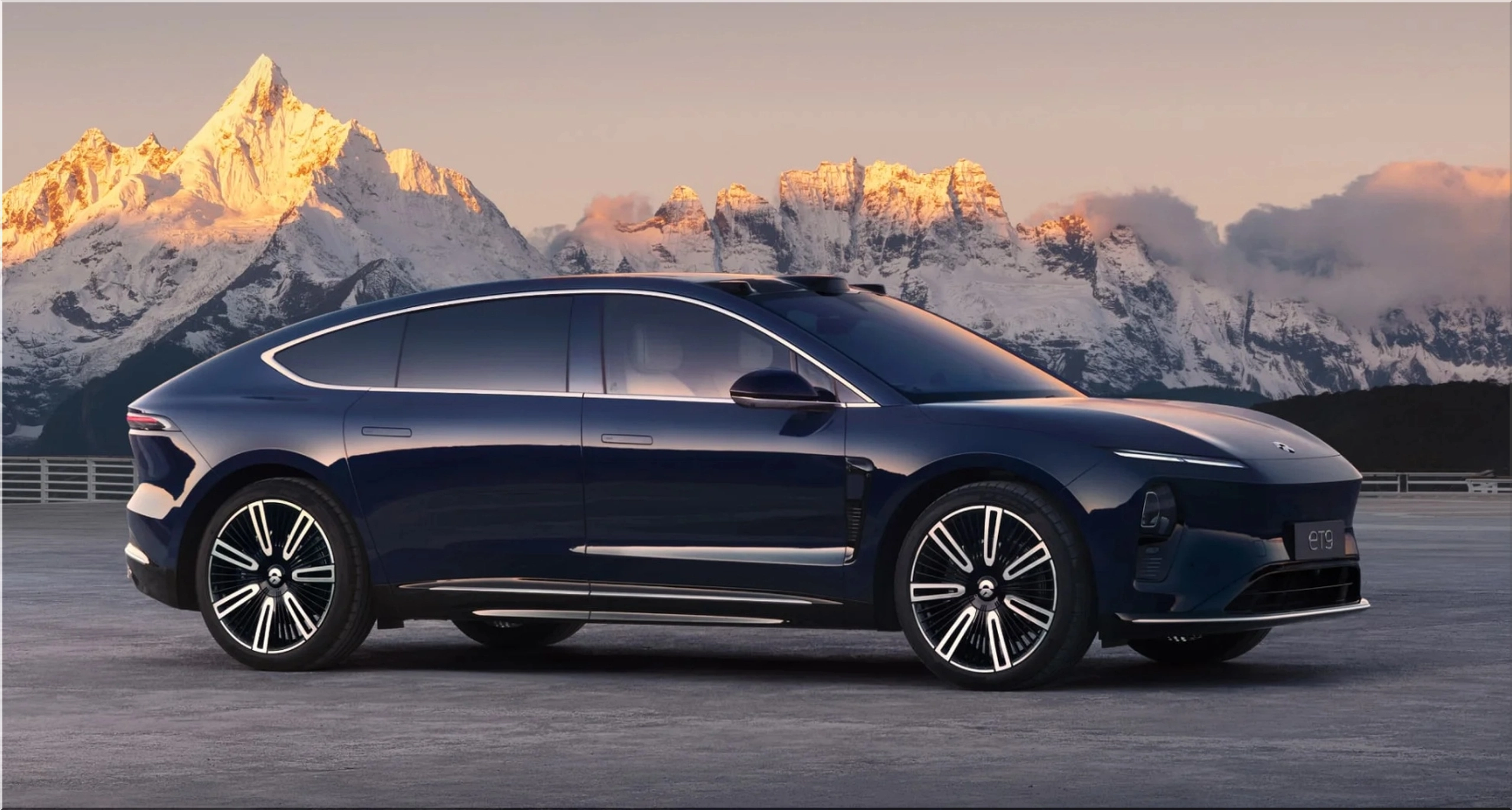
Beyond personal transport, the market is diversifying into:
-
Public Transit: Massive adoption of electric buses in municipal systems.
-
Commercial Logistics: The integration of heavy-duty electric trucks and utility vehicles into global supply chains.
-
Smart Mobility: Electric scooters and bicycles becoming the backbone of urban transit in emerging "Smart Cities."
Geopolitical Engines of Growth: Europe and Asia
The geography of this transition reveals two distinct powerhouses. Europe is projected to be the engine of growth, contributing 46% to the global market increase through 2029. This is propelled by the European Union’s aggressive regulatory roadmap and a robust infrastructure for workplace and public charging.
Meanwhile, China remains the epicenter of high-volume production and consumption. In 2025, the Chinese market surged, driven by localized manufacturing, massive state-backed charging networks, and a strategic focus on reducing urban pollution. The participation of both domestic and foreign Original Equipment Manufacturers (OEMs) in China has created the most competitive EV ecosystem in the world.
Navigating the Hurdles: Batteries and Infrastructure
Despite the momentum, the path to 2029 is not without friction. The industry must navigate several critical challenges:
-
Cost Parity: While battery prices are falling, the initial purchase price of BEVs remains high for consumers in emerging economies.
-
Range and Recovery: "Range anxiety" persists, driving intensive R&D into solid-state batteries and regenerative braking systems.
-
The Supply Chain: Securing raw materials like lithium and cobalt remains a geopolitical priority, shifting focus toward sustainable sourcing and battery recycling.
The 2029 Vision: A Connected Ecosystem
By the end of the decade, the EV market will have evolved far beyond the vehicle itself. The integration of Over-the-Air (OTA) updates, artificial intelligence in battery management, and the rise of autonomous driving features are turning cars into sophisticated mobile software platforms.
As battery technology achieves higher energy density and charging networks achieve interoperability, the industry is moving toward a circular economy model. The focus is shifting from merely selling vehicles to providing a holistic, sustainable mobility service that optimizes energy consumption and minimizes environmental impact.