22.01.2026
Kia in China: History, Restructuring, and Export Strategy
Kia in China: From Joint Venture
to Global Export Hub
The history of Kia Corporation in the Chinese market is a narrative of rapid ascension, a profound geopolitical crisis, and a subsequent radical transformation. As of 2026, Kia has successfully pivoted its Chinese operations from a local-market focus to a cornerstone of its global export strategy.
1. Establishment and the Dongfeng Yueda Kia Era (2002–2021)
Kia officially entered the Chinese passenger car market in August 2002. To comply with Chinese regulations at the time, which mandated local partnerships for foreign automakers, Kia established a three-way joint venture: Dongfeng Yueda Kia Motors (DYK).
Initial Ownership Structure:
-
Kia Corporation: 50%
-
Dongfeng Motor Corporation: 25%
-
Jiangsu Yueda Group: 25%
Headquartered in Yancheng, Jiangsu Province, the company built three highly automated assembly plants. During its peak in 2016, DYK was a formidable player, achieving annual sales of over 650,000 units. Success was driven by localized models such as the K2 and K3 sedans, and SUVs like the Sportage and KX3.
2. Geopolitical Challenges and Market Decline (2017–2021)
In 2017, Kia’s Chinese operations faced a severe downturn following the THAAD missile defense system dispute between South Korea and China. This led to an informal boycott of South Korean brands, causing Kia’s sales to plummet.
Simultaneously, the rise of domestic Chinese automakers (such as BYD and Geely) in the Electric Vehicle (EV) sector intensified competition. Kia found itself squeezed between premium European/Japanese brands and rapidly innovating local manufacturers, leading to consecutive years of financial losses.
3. Structural Reorganization (2022)
A pivotal shift occurred in late 2021 when Dongfeng Motor Corporation withdrew from the joint venture, selling its 25% stake to the Jiangsu Yueda Group.
In March 2022, the company was officially renamed Jiangsu Yueda Kia Motors. This restructuring gave Kia 50% ownership (with Yueda Group holding the other 50%) and granted the South Korean parent company greater autonomy in decision-making and brand positioning.
4. Current Business Model: The Global Production Hub (2024–2026)
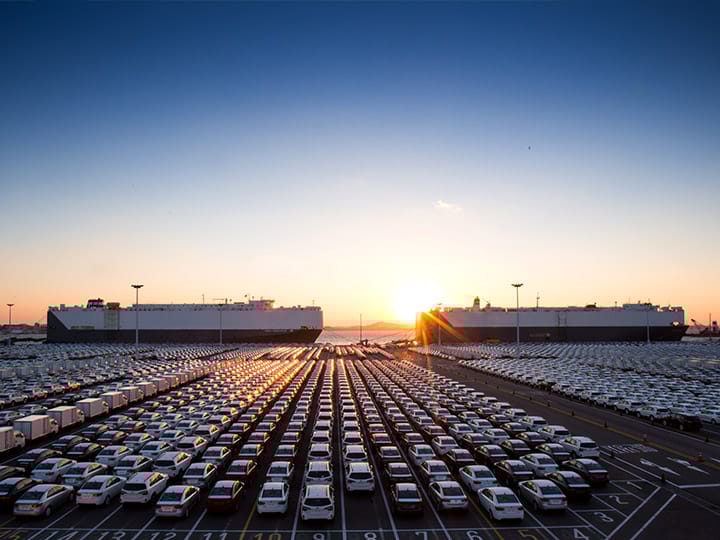
By 2026, Kia has redefined the role of its Yancheng facilities. No longer solely reliant on Chinese domestic demand, the plants now serve as a Global Export Hub.
-
Export Strategy: By the start of 2026, Kia’s Chinese unit has expanded its export reach to over 80 countries, including markets in Southeast Asia, the Middle East, and Latin America. Export targets for 2026 are set at approximately 200,000 to 250,000 units annually.
-
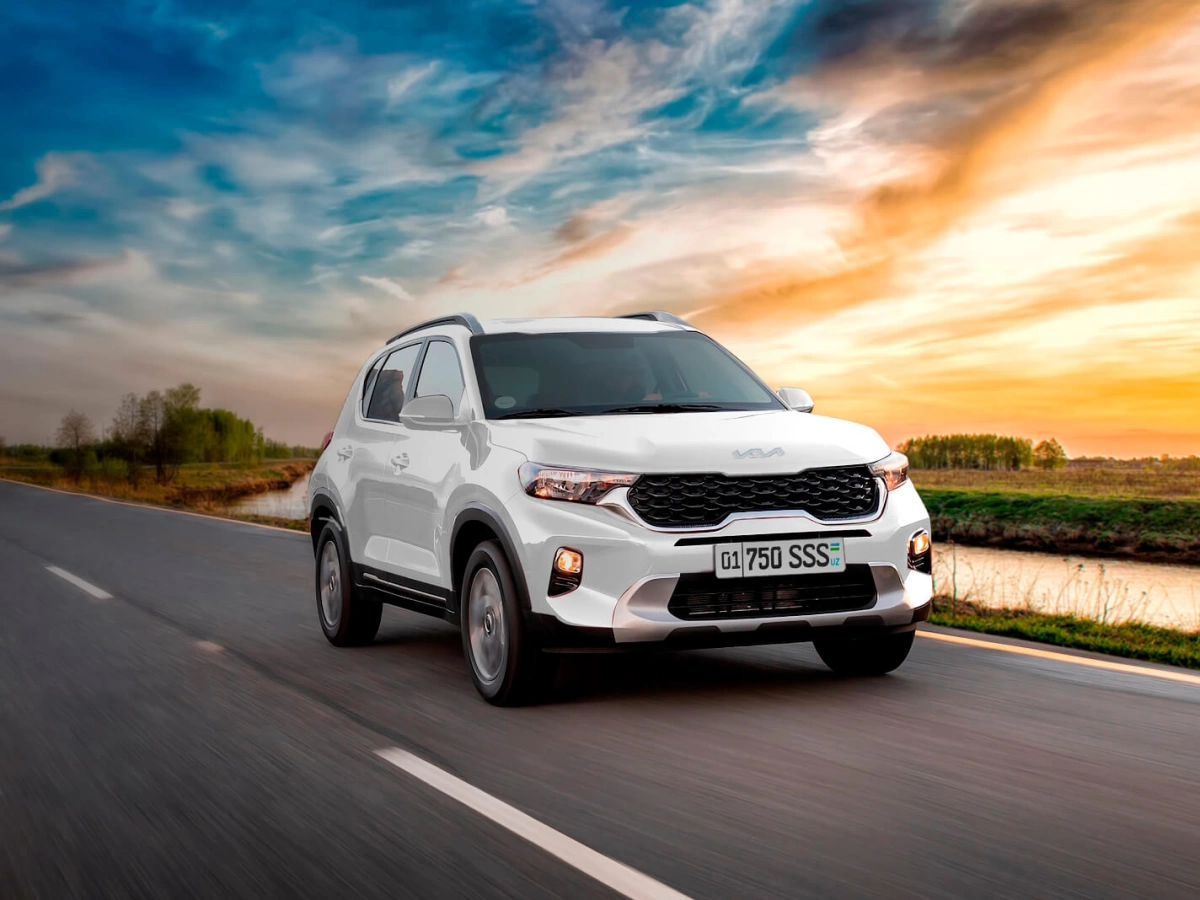
The EV Transformation: China is now the primary production site for the Kia EV5, a global strategic electric SUV. Unlike previous models, the EV5 was designed with a "China-first" approach but is exported globally to markets including Australia, Thailand, and Canada.
-
Profitability Turnaround: In late 2024, after seven years of losses, the joint venture reported its first operational profit. This recovery was attributed to high factory utilization driven by exports and the successful launch of specialized models like the Pegas sedan and the EV5.
5. Summary of Key Milestones
| Year | Event | Impact |
| 2002 | Founding of Dongfeng Yueda Kia (DYK) | Entry into the Chinese market. |
| 2016 | Record Sales (650k+ units) | Peak of Kia's popularity in China. |
| 2017 | THAAD Geopolitical Dispute | Sharp decline in sales and brand image. |
| 2022 | Exit of Dongfeng; Renaming to Yueda Kia | Kia gains more control over operations. |
| 2023 | Launch of Kia EV5 in China | First China-made global electric vehicle. |
| 2025/26 | Transition to Global Export Hub | Record-high exports stabilize the business. |