20.01.2026
Li Auto Explained: Why Lixiang Is Redefining Family SUVs
The Li Auto Phenomenon: How a “Gadget on Wheels” Became the Benchmark for Family Cars
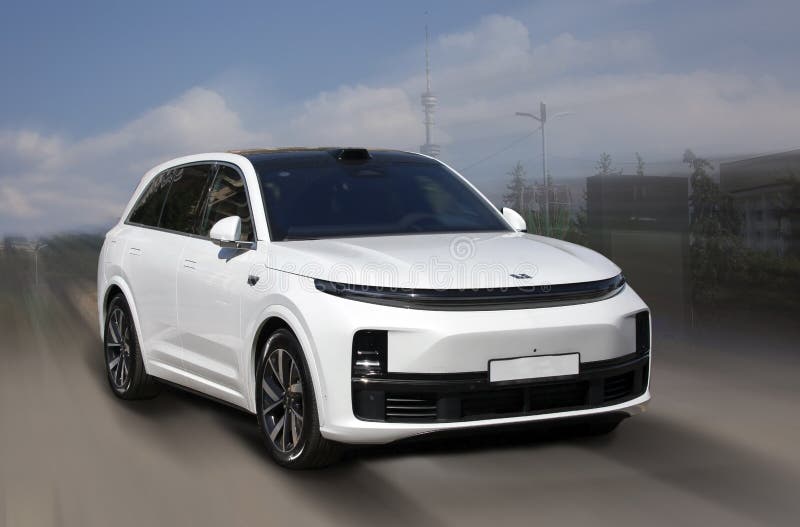
Just a few years ago, skeptics dismissed Chinese startups as short-lived experiments. Today, however, Li Auto (Lixiang) is setting the standards in the premium SUV segment. Leaving many European competitors behind, the brand has created a product that combines the comfort of a private jet, the technology of a modern smartphone, and the independence of a traditional automobile.
So what is the secret behind Li Auto’s popularity, and what really lies beneath the glossy screens of these hybrid vehicles?
“No Fear of Distance”: The Core Philosophy
Li Auto’s key technological bet is its EREV system - an extended-range electric vehicle. Unlike conventional hybrids, the wheels are driven exclusively by electric motors, while the gasoline engine works solely as an onboard power generator.
This layout gives drivers the best of both worlds:
-
Silence and instant performance: smooth, quiet driving and immediate torque typical of electric cars.
-
True autonomy: no need to search for charging stations on long trips. As long as there is fuel in the tank, the car keeps going.
The result is an impressive combined range of 1,100–1,300 km on a single refill, eliminating range anxiety almost entirely.
Interior as a Living Space
Li Auto was among the first to realize that in a large family car, passengers matter just as much as the driver. The interiors of the L7, L8, and L9 feel more like a cozy living room or a high-tech office than a traditional vehicle cabin.
Instead of a classic instrument cluster, the driver relies on a head-up display projected onto the windshield. The main focus is on large OLED screens, while rear passengers — especially children — get their own ceiling-mounted display. Some versions even include a built-in refrigerator capable of both cooling drinks and warming baby food.
“Captain’s chairs” with hot-stone massage functions blur the line between a car and a spa lounge.
The Real Test: Harsh Winter Conditions
For innovative vehicles, winter often becomes the ultimate stress test. Real-world use of Li Auto in cold climates (down to −30°C) reveals some interesting insights:
-
Warmth without compromise: thanks to the internal combustion engine, the cabin heats up much faster than in pure electric vehicles. Frozen passengers are simply not an issue here.
-
Air suspension: it delivers a “flying carpet” ride over rough roads. However, in extreme cold, the system needs a few minutes after parking to return to normal operation.
-
Smart electronics: driver-assistance systems and sensors, including lidar, remain surprisingly stable even during snowfall, although cameras still require periodic cleaning for optimal performance.
What Future Owners Should Know
Despite its technological leadership, Li Auto is a complex digital product. Buyers should be prepared for a certain level of “digital hygiene.” The main interface language is Chinese or English, and full functionality often requires software adjustments and proper account configuration.
In addition, the abundance of sensors and electronics around the vehicle makes body repairs more expensive. This is a car that demands qualified service and a clear understanding of its software ecosystem.
Final Thoughts: Who Is Li Auto For?
Li Auto is designed for those who have moved beyond pure driving excitement and prioritize family comfort above all else. It is not just a means of transportation, but a multimedia space that works equally well as a mobile office in city traffic and as a comfortable home on long-distance journeys.
In a world where electric cars still force drivers to plan routes from charger to charger, Lixiang offers freedom — without sacrificing the technologies of the future.